
Overloading Nature’s Inbox: Why Businesses Must Stop Digging Up Earth’s Hidden Troubles
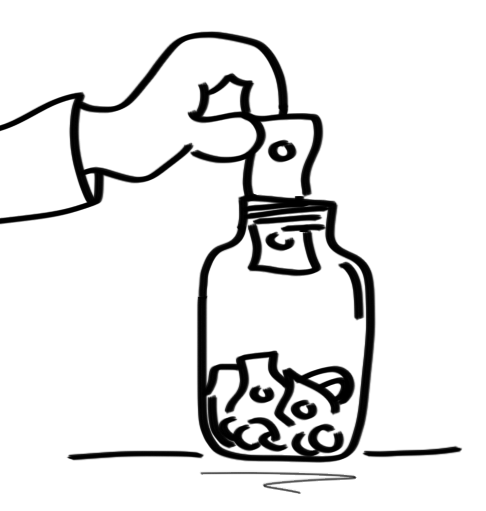
This sustainability cartoon is a stark metaphor for one of the core principles of true sustainability. Drawing from the FSSD framework (also known as The Natural Step), it highlights how our planet’s ecosystems have natural limits, much like an email inbox that can only process so much before it crashes. Nature can handle small, natural flows of substances from deep underground—think volcanic emissions or erosion releasing tiny amounts of metals. But when businesses and industries ramp up extraction for fossil fuels, rare earth metals, or heavy elements like mercury and lead, we overwhelm those systems. The result? Toxic buildups that disrupt wildlife, pollute water, and even enter our food chains, leading to health crises and environmental degradation. It is like overloading nature’s inbox.
Consider mercury as a prime example. Naturally, Earth releases about 100 to 600 tons annually through processes like ocean evaporation or geothermal activity. But human activities—mining, coal burning, and industrial processes—pump out 2,000 to 3,000 tons each year. That’s a sevenfold overload, causing concentrations to spike in oceans and atmosphere, poisoning fish and accumulating in human bodies. Lead follows suit: scarce in surface environments, it bioaccumulates quickly, harming neurological development in children exposed through contaminated soil or water. On the flip side, abundant elements like silicon or aluminum don’t cause the same issues because nature’s “inbox” is equipped to handle them without backlog.
For businesses, this cartoon is a wake-up call to audit materials and supply chains. It’s not about halting progress but shifting to smarter practices. Tesla exemplifies this: by minimizing rare metals in EV batteries and recycling over 90% of old packs, they’ve cut extraction needs, reduced costs, and built resilience against resource shortages. Closed-loop systems—recycling metals infinitely without fresh mining—turn potential overload into opportunity. Imagine a mining company pivoting to urban mining, extracting valuables from e-waste instead of Earth’s crust, or a manufacturer swapping mercury-laden products for safer alternatives.
This principle is part of a broader quartet of sustainability “don’ts”: avoid crust buildups, shun persistent man-made chemicals, preserve natural regeneration rates, and ensure equitable human access to essentials. Ignoring them risks regulatory fines, reputational damage, and supply disruptions—think the 2020s chip shortages amplified by rare earth dependencies. But embracing them? It fosters innovation, like biotech firms developing bio-based alternatives to fossil-derived materials.
In our finite world, sustainability isn’t a buzzword salad—it’s about respecting limits to thrive long-term. This cartoon reminds us: Earth’s inbox is full enough. Businesses that lighten the load not only survive but lead. Ready to declutter your operations? Start with a simple audit—what’s building up in your “inbox”? Share your thoughts below; let’s keep the conversation green and grounded.