In today’s corporate landscape, the degradation of nature poses one of the most pressing threats to long-term sustainability. From rampant deforestation to overfishing and soil erosion, these physical assaults on ecosystems not only accelerate biodiversity loss but also undermine the very resources businesses rely on. Yet, true sustainability isn’t about halting operations—it’s about syncing with nature’s built-in renewal cycles. By avoiding actions that outpace regeneration, companies can foster resilience, boost efficiency, and mitigate risks like regulatory penalties or supply chain breakdowns.
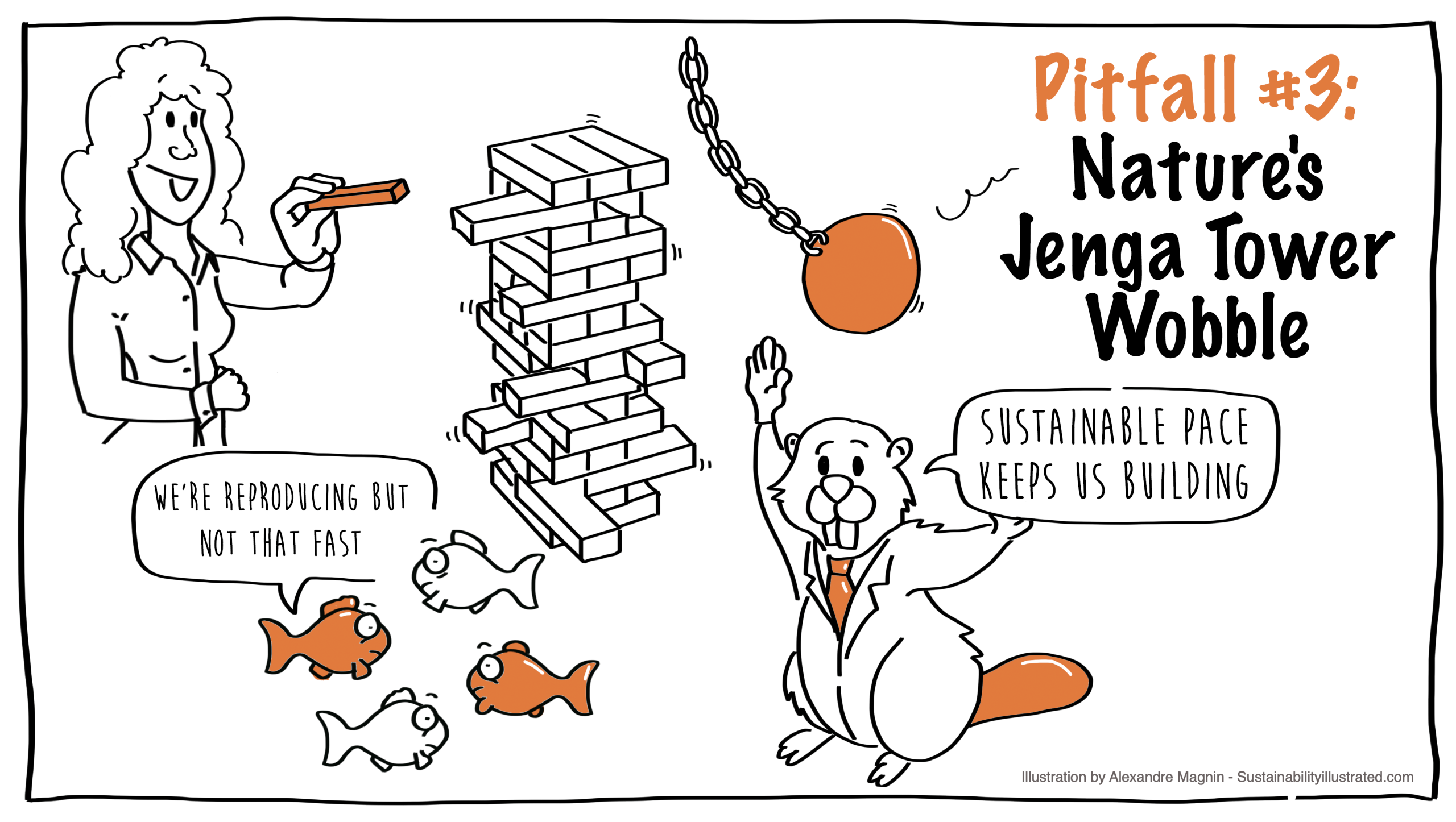
Consider the core principle: harvest resources slower than they replenish. Trees regrow, fish populations rebound, soils rebuild, and aquifers refill—but only if we don’t exceed those thresholds. Pushing beyond leads to cascading failures, such as depleted fisheries causing food shortages or eroded soils reducing crop yields. This degradation of nature isn’t abstract; it’s a direct hit to profitability. It is estimated that half of global GDP—$44 trillion—depends on nature, making its protection a strategic imperative.
Unilever offers a compelling case study in reversing this trend. Through regenerative agriculture in their tea plantations, they’ve transformed conventional farming into a restorative model. By incorporating cover crops, reducing tillage, and enhancing biodiversity, they’ve reportedly increased yields by 20% while rebuilding soil health. This approach not only combats soil degradation but also sequesters carbon, improves water retention, and supports local communities. The result? Lower input costs, higher quality produce, and a buffer against climate volatility—proving that sustainability enhances operational efficiency.
Broader examples echo this success. IKEA, for instance, commits to forest-positive sourcing by planting more trees than they harvest, countering deforestation while securing wood supplies. Such practices align with global frameworks like the UN’s Sustainable Development Goals, emphasizing restoration over exploitation. Businesses dodging this pitfall invest in monitoring tools, like satellite imagery for deforestation tracking or sustainable fishing quotas, turning potential liabilities into competitive edges.
Ultimately, halting the degradation of nature demands a mindset shift: from extraction to equilibrium. Companies that embrace regenerative models not only survive but thrive, enjoying up to 81% higher profits through innovation and loyalty. As supply chains evolve, it’s easier than ever to integrate these strategies. What’s your business doing to align with regeneration? Start small—audit your resource use—and watch resilience grow.