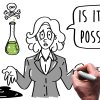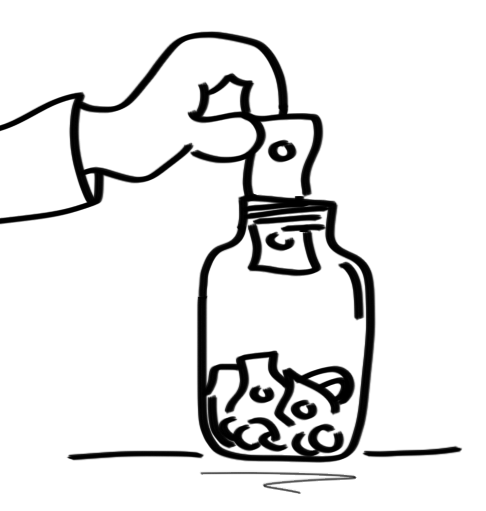
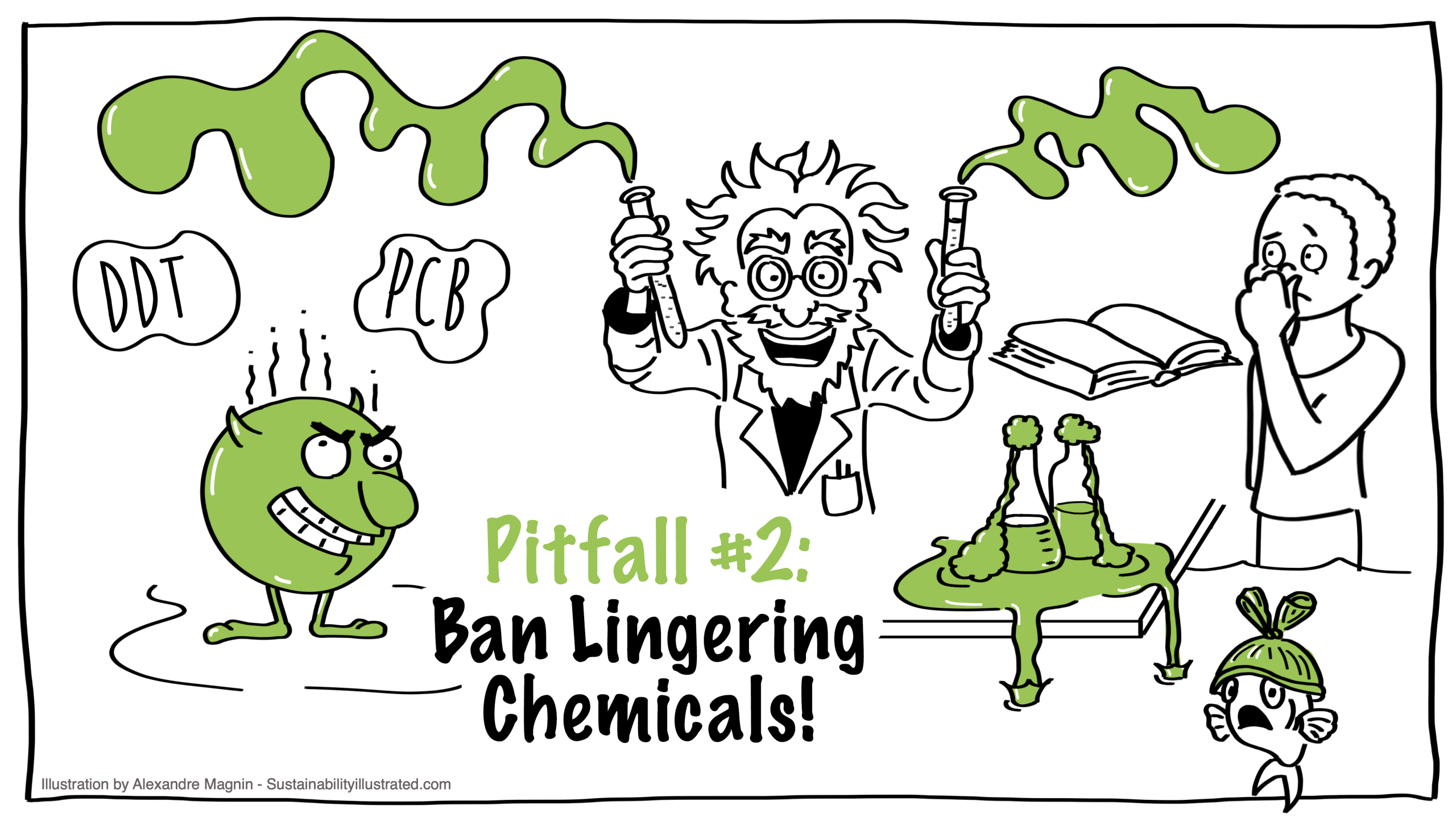
This illustration is a powerful allegory for the second key pitfall in building a truly sustainable business: avoiding the creation and spread of society’s “Frankenstein chemicals”—persistent chemical compounds like PCBs, DDT, plastics, and chemicals that nature struggles to break down.
These man-made monsters, born from industrial innovation, linger far beyond their intended use, accumulating in ecosystems and wreaking havoc. Think of them as bad scents that never fade, infiltrating soil, water, and wildlife. This cartoon mirrors real-world crises: DDT, once hailed as a pesticide miracle, was banned in the 1970s after nearly wiping out bald eagles by thinning their eggshells. Today, microplastics—tiny fragments from our disposable culture—permeate oceans, entering the food chain and even human bloodstreams. Studies show that over 90% of seabirds have ingested plastic, mistaking it for food, leading to starvation and population declines. Persistent chemicals like PFAS, used in non-stick coatings and waterproof fabrics, persist for thousands of years, linked to cancers and immune disorders in communities near manufacturing sites.
For businesses, this pitfall isn’t abstract—it’s a liability. Contributing to these buildups of persistent chemicals exposes companies to regulatory crackdowns, lawsuits, and reputational damage. The EU’s REACH regulations, for instance, have phased out thousands of hazardous substances, forcing non-compliant firms to scramble. But dodging this trap isn’t about halting progress; it’s about smart reinvention. Inventory your chemicals, eliminate the immortals, and loop the essentials through recycling. Patagonia sets a shining example: ditching toxic dyes and transitioning to bluesign-certified, biodegradable fabrics. This not only slashed their environmental footprint but appealed to eco-conscious consumers, driving sustained revenue growth amid a market where 78% of buyers prefer sustainable brands.
The broader sustainability framework—rooted in natural laws—demands we respect degradation rates. Nature can’t quickly dismantle these synthetic persistent chemicals, so we must design with end-of-life in mind. Innovations like enzyme-based plastic eaters or plant-derived polymers show promise, turning waste into resources. Tony’s Chocolonely, while focused on fair trade, indirectly supports this by avoiding chemical-heavy monocultures in cocoa farming.
Ultimately, banning persistent chemicals fosters resilience. Businesses that pivot reduce risks from supply chain disruptions (like the 2022 PFAS shortages) and unlock profits—sustainable firms often see 51-81% higher returns through efficiency and loyalty. This cartoon urges action: Don’t be the mad scientist; be the hero who cleans up the lab. Audit your operations today—what zombies are you unleashing? Share your sustainable swaps in the comments, and let’s build a world where nature breathes easy.